

Traditional Cycladic fava
Traditional Cycladic fava
10’
6
Σχετικά με τη συνταγή
Calories
~310kcal
Protein
~9g
Carbohydrates
~27g
Fat
~18g
Greek
Preparation
10’
Cooking
45’
Servings
6
Διατροφική αξία ανά μερίδα
Calories
~310kcal
Protein
~9g
Carbohydrates
~27g
Fat
~18g
The recipe
Traditional Cycladic fava
Greek
10’
Preparation
45’
Cooking
6
Servings
Nutrition per serving
~310 kcal
Calories
~9 g
Protein
~27 g
Carbohydrates
~18 g
Fat
Ingredients
- 500 g yellow split peas (fava)
- 2 onions, thinly sliced
- 1 carrot, sliced
- 2 bay leaves
- 100 ml olive oil
- Juice of 1 lemon
- Fleur de sel (or sea salt)
- White pepper
For serving
- Capers
- 1 onion, thinly sliced or roughly chopped
- Extra virgin olive oil
- A little finely chopped parsley

Traditional Cycladic fava
Preparation: 10’
Cooking: 45’
Servings: 6
Cuisine: Greek
Nutrition per serving:
Calories ~310 kcal · Protein ~9 g · Carbohydrates ~27 g · Fat ~18 g
Ingredients
- 500 g yellow split peas (fava)
- 2 onions, thinly sliced
- 1 carrot, sliced
- 2 bay leaves
- 100 ml olive oil
- Juice of 1 lemon
- Fleur de sel (or sea salt)
- White pepper
For serving
- Capers
- 1 onion, thinly sliced or roughly chopped
- Extra virgin olive oil
- A little finely chopped parsley
Method
For the fava
Place the yellow split peas in a colander and rinse thoroughly under cold running water.
Heat half of the olive oil in a pot over medium-low heat and add the onions. Sauté, stirring frequently, until softened and lightly caramelized.
Once the onions become translucent, add the carrot and continue cooking for a few more minutes until it releases its natural sweetness.
Add the bay leaves and the rinsed split peas and stir well.
Pour in 1.5 liters of water and season with fleur de sel and white pepper.
Bring to a boil, then reduce the heat and simmer partially covered for about 40 minutes, stirring occasionally. If necessary, skim off any foam that forms on the surface.
Once the split peas have softened and the mixture begins to thicken, remove the bay leaves and continue cooking until the fava develops a smooth, creamy texture.
Add the remaining olive oil and stir until fully incorporated.
Finally, add the lemon juice and mix well until all the flavors come together. Remove from the heat.
For serving
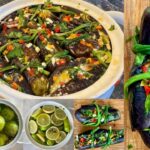
Divide the fava among warm serving plates and use the back of a spoon to create gentle swirls on the surface.
Garnish with the sliced onion, capers and chopped parsley.
Finish with a drizzle of extra virgin olive oil and serve immediately.
Slow cooking is the secret to achieving a silky-smooth and naturally sweet fava.
TIPS
The onions and carrot provide natural sweetness without the need for any additional ingredients.
For a truly traditional Cycladic-style fava, do not blend it. Allow it to break down naturally and become creamy while simmering.
Serve with capers, raw onion and fresh crusty bread for an authentic Greek island experience.
METHOD
For the fava
Place the yellow split peas in a colander and rinse thoroughly under cold running water.
Heat half of the olive oil in a pot over medium-low heat and add the onions. Sauté, stirring frequently, until softened and lightly caramelized.
Once the onions become translucent, add the carrot and continue cooking for a few more minutes until it releases its natural sweetness.
Add the bay leaves and the rinsed split peas and stir well.
Pour in 1.5 liters of water and season with fleur de sel and white pepper.
Bring to a boil, then reduce the heat and simmer partially covered for about 40 minutes, stirring occasionally. If necessary, skim off any foam that forms on the surface.
Once the split peas have softened and the mixture begins to thicken, remove the bay leaves and continue cooking until the fava develops a smooth, creamy texture.
Add the remaining olive oil and stir until fully incorporated.
Finally, add the lemon juice and mix well until all the flavors come together. Remove from the heat.
For serving
Divide the fava among warm serving plates and use the back of a spoon to create gentle swirls on the surface.
Garnish with the sliced onion, capers and chopped parsley.
Finish with a drizzle of extra virgin olive oil and serve immediately.
TIPS
Slow cooking is the secret to achieving a silky-smooth and naturally sweet fava.
TIPS
The onions and carrot provide natural sweetness without the need for any additional ingredients.
For a truly traditional Cycladic-style fava, do not blend it. Allow it to break down naturally and become creamy while simmering.
Serve with capers, raw onion and fresh crusty bread for an authentic Greek island experience.